
Hand rehabilitation · 5 min read
Hand therapy after a tendon repair: why the splint matters
A repaired tendon is fragile for weeks. The right splint and a carefully timed exercise programme protect it while preventing stiffness.
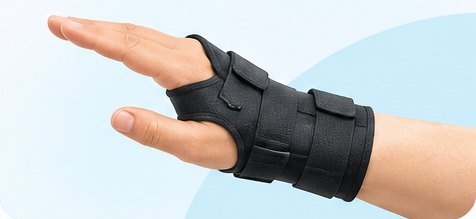
Understanding the topic
After tendon repair, the surgeon and hand therapist balance two risks: moving too much too early (which can stress the repair) and moving too little (which causes stiffness and adhesions). A custom splint and a staged protocol manage both.
Key information
- Protocols differ by tendon, zone and type of repair.
- Wear the splint exactly as instructed.
- Swelling control and skin care are part of therapy.
- Return to heavy gripping happens only when cleared.
What you can do
- Keep your splint on unless told otherwise, including at night.
- Do only the exercises in your programme, at the stated frequency.
- Keep the hand elevated early on to manage swelling.
- Bring your surgeon's protocol to your first session.
When to seek professional evaluation
- A sudden loss of finger movement or a 'pop'.
- Increasing pain, redness, swelling or wound discharge.
- The splint rubs, cuts in or no longer fits.
In an emergency call 108 or 112, or go to the nearest emergency department.
References & sources
Clinical review
This article is general information written for HVR patients and families. It is being reviewed by HVR's clinical lead and does not replace personal medical advice. Last updated November 2026.
Keep reading
More from the health library
Recovering at home after a knee replacement: the first weeksOrthopaedic healthStroke recovery at home: how rehabilitation helpsNeurological rehabilitationMoving safely after surgery: transfers, walking and precautionsPost-surgical recoveryLower back pain: when to keep moving and when to get checkedPain and movement